
 Write a comment
The maritime importance of the Newry was enhanced by the completion of the Newry Canal in 1742, famous for being the first summit-level canal in the British Isles. Like these later canals, the Newry Canal was also built primarily to transport coal. In this instance providing Dublin with a home-produced source of coal and reducing reliance on coal imported from Britain, however the Tyrone Coalfields, after an initial stage of high productivity did not meet expectations.

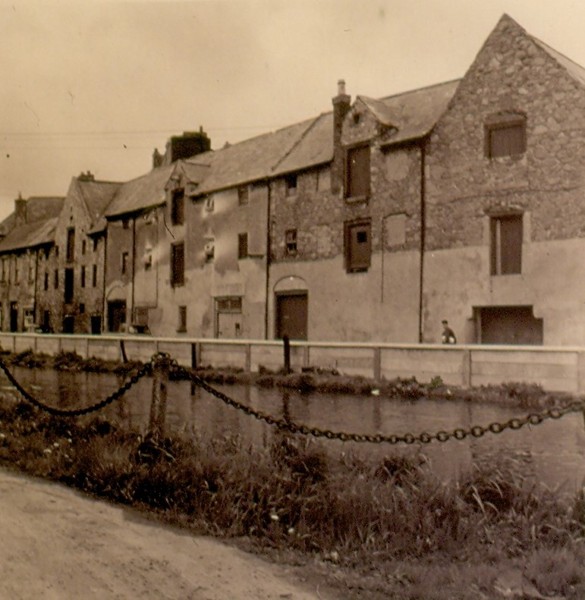
Work began on the Canal in 1731 under the direction of Sir Edward Lovett Pearce and then his deputy, Richard Cassels. The Canal was completed under a third engineer, Thomas Steers, in 1742. It traversed eighteen miles of a lowland corridor between the uplands of Down and Armagh to a height of seventy-eight feet above sea level, necessitating the building of fifteen locks to accommodate these changes in height.
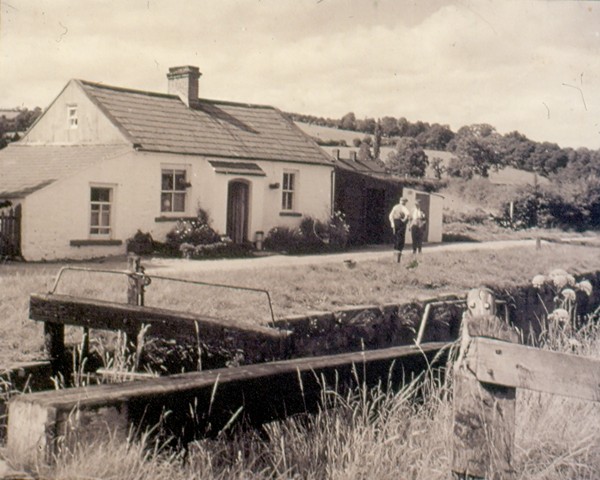
The building of the Canal had a defining influence of development and topography of Newry in the 18th and 19th centuries. Commercial premises and warehouses were built along Merchant’s Quay, Canal Quay and Sugar Island and the growing wealth of the merchants meant that they built large and imposing houses for themselves in Canal Street, Trevor Hill, North Street and Boat Street. This affluent merchant class also encouraged the local production of luxury goods such as furniture, ceramics and glass and a printing and publishing industry.
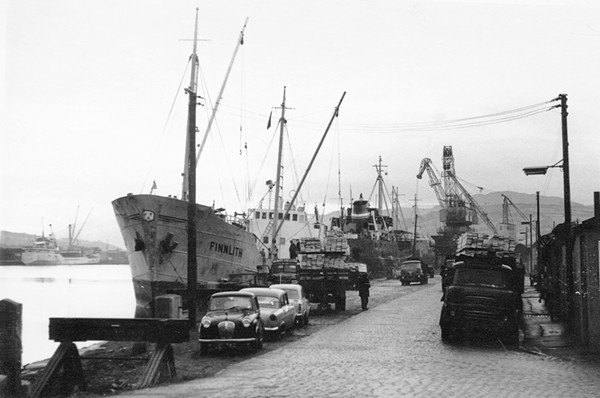
In 1755 the merchants of Newry petitioned Parliament for assistance in making the tidal, silt-choked Newry River between Newry and Carlingford Lough navigable. The petition was successful, and the Ship Canal opened in 1767. Despite dredging, silting was still a major problem and the only real improvement came with the building of a new ship canal between 1842 and 1850 along with the opening of the Victoria Lock and the Albert Basin. This greatly improved the port facilities at Newry.
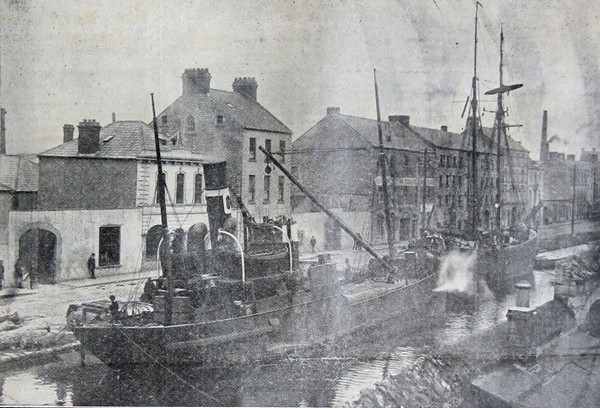
The most successful period of the Newry Canal was during the 1840's when a variety of goods such as linen, butter, meat, coal, bricks and tiles were sent downstream to Newry, with a reverse traffic of grain, flour, flax seed, imported foodstuffs, whiskey, timber, oil and tobacco carried into mid-Ulster. The Canal remained an important transport artery until the arrival of the railways in 1849.
In 1933 only 6,000 tons of goods were carried on the Inland Canal compared with120,000 tons one hundred years earlier. Competition by roads and railways, coupled with economic depression, eventually led to the Inland Canal falling into disuse in the late 1930s. The section of the Canal which passed through Newry town closed in 1949.
From the mid 1950s onwards, economic conditions and patterns in ship owning and trade became more competitive. The Port of Newry could not accommodate large ocean-going vessels and a decision was made to phase out the Port and extend and improve the port facilities at Warrenpoint. The port facility was closed in 1974 and Newry’s trade transferred to the modern port of Warrenpoint. The Ship Canal is now open to leisure boats which moor in the Albert Basin.
The Museum is currently offering free tours of the exhibition galleries on Wednesdays and Thursdays at 2.00 pm. These must be booked in advance by calling our Education Officer at 0330 137 4422.
Newry and Mourne Museum is open Tuesday – Saturday 10.00 am – 4.30 pm. Please call 0330 137 4422 or email museum@nmandd.org for further information.
Please visit our website at www.visitmournemountains.co.uk